Thriving Learners
A Nature Play SA initiative supported by the Department for Education
Nature Play SA is a not-for-profit organisation that has received funding from the DfE to support public education sites in addressing the Areas of Impact. To achieve this, we are seeking Expressions of Interest from sites that want to participate in our Thriving Learners program.
The aim of Thriving Learners with Nature Play SA is to enhance student wellbeing and learner agency for improved student learning outcomes through nature-based play, teaching, and learning experiences.
We are seeking Expressions of Interest from DfE schools and sites to partner with us in developing our Thriving Learners program during 2025. Does your school have a nature-based inquiry project to tackle? Examples of our recent partnership projects include:
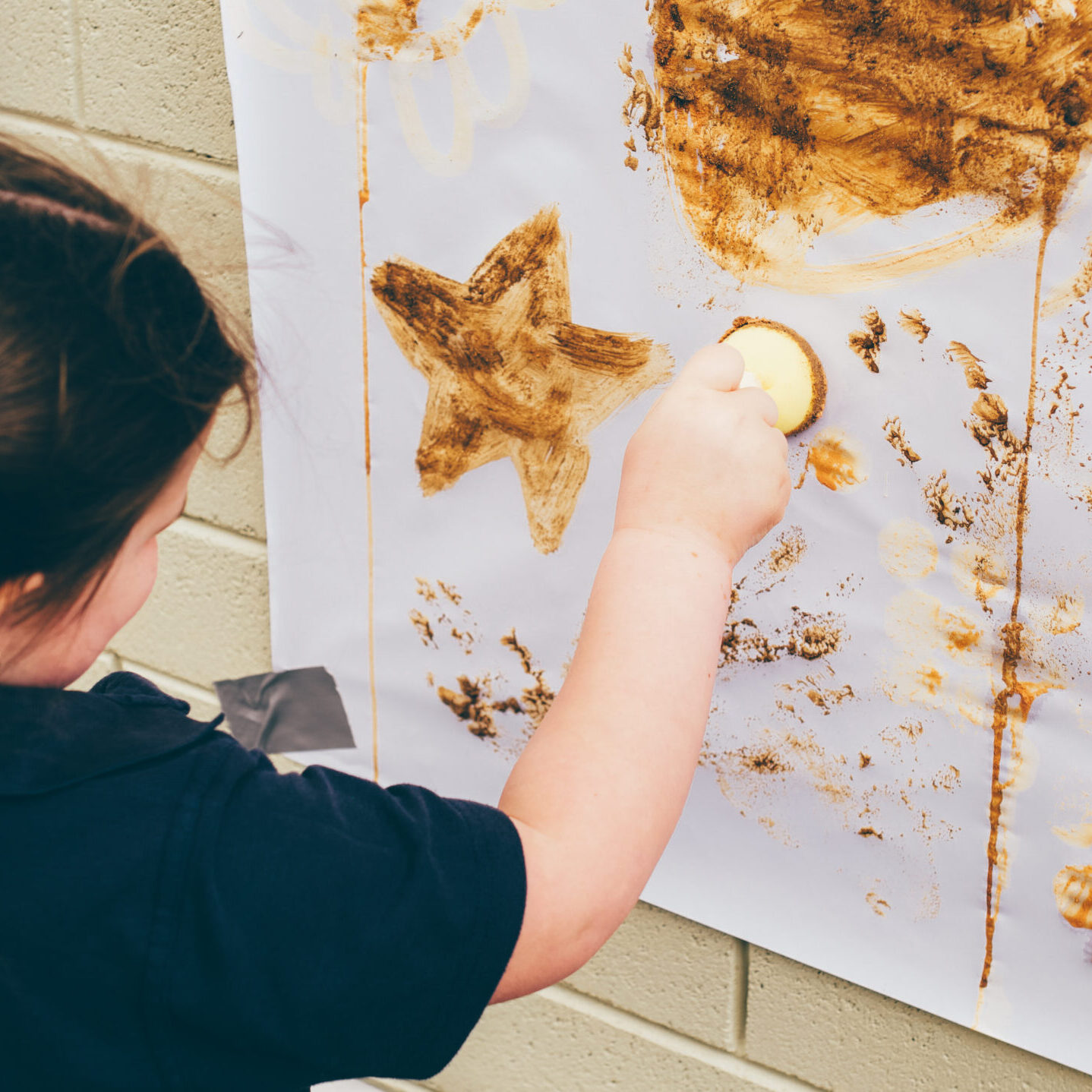
Activating Outdoor Learning Spaces at Wandana Primary School
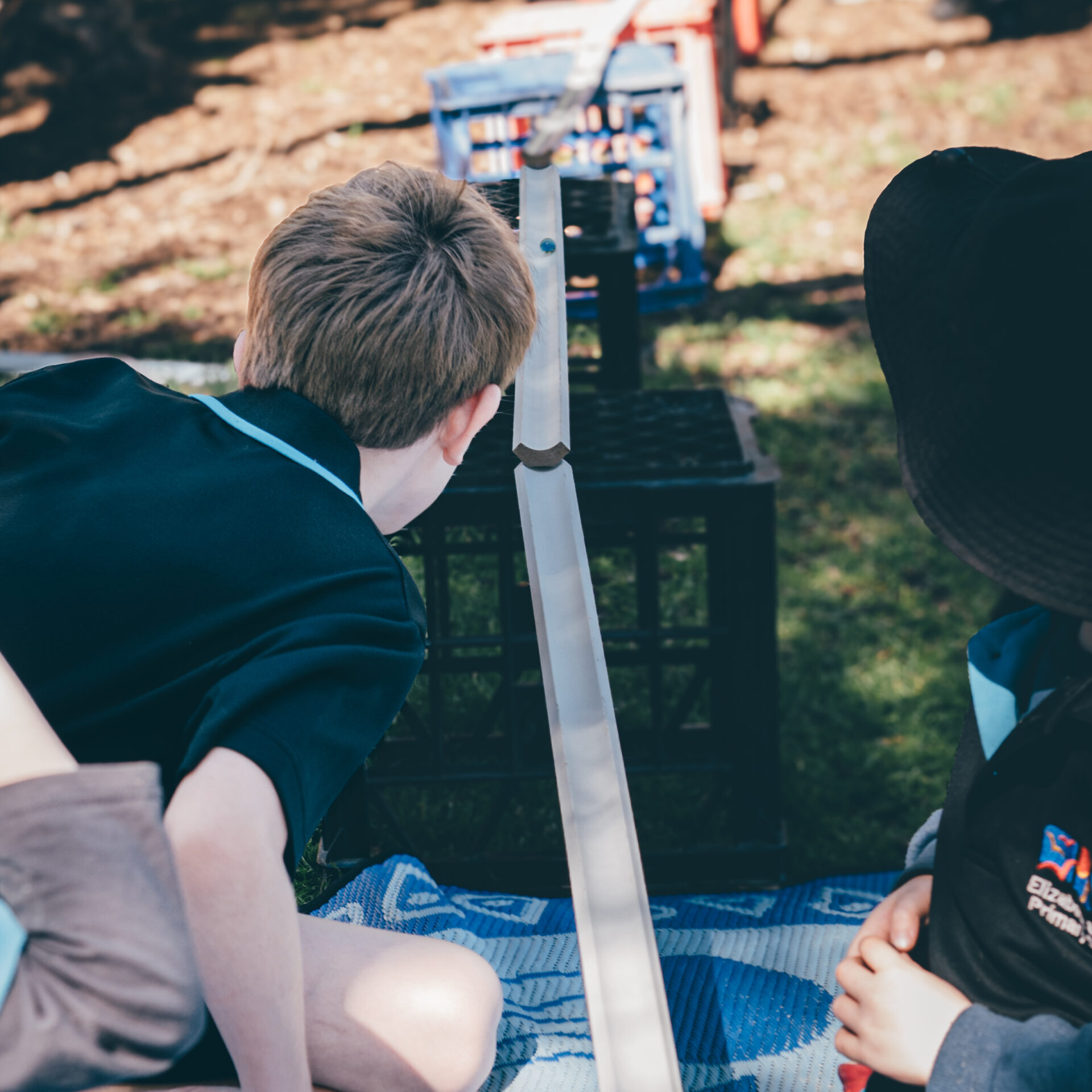
Reimagining Free Play at Elizabeth Downs Primary School
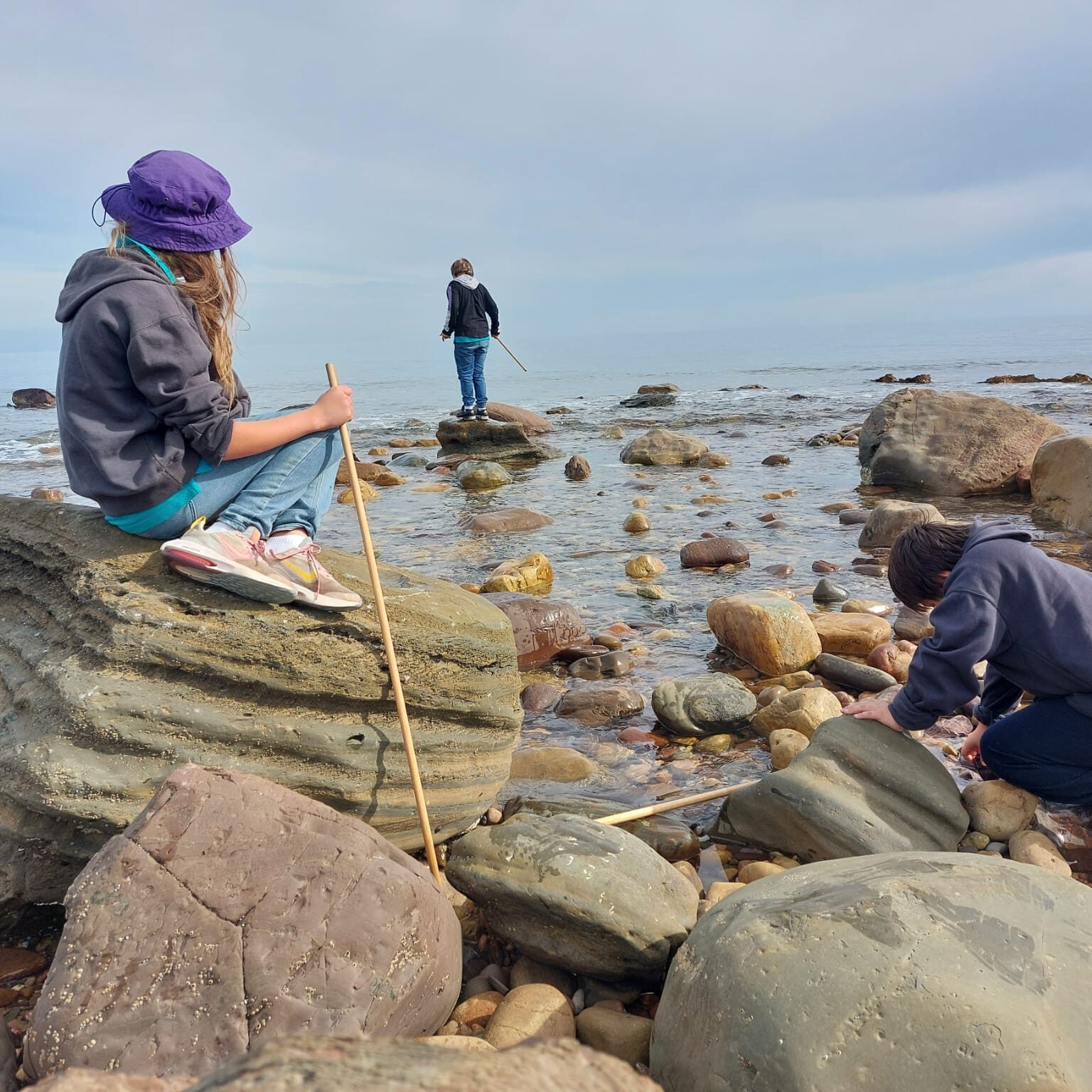
Supporting Connection to Place at Christie Downs Primary School
Thriving Learners will:

- Use the department’s ‘Areas of Impact’ (Wellbeing; Equity and Excellence; Learner Agency; Effective Learners) as a focus in the design, implementation, and evaluation of learning resources and programs, and as a reference point for measuring impact.
- Work in partnership with government school communities across the state, in a safe, inclusive, and collaborative manner to support the implementation of the department’s strategy for Public Education in South Australia.
- Support effective nature-based play, teaching, and learning by empowering teachers to hone their pedagogical content knowledge through professional development that is informed by context and student needs.
- Engage teachers and students in the co-design of resources, programs, and learning opportunities that provide equitable outcomes and reported benefits in mental health, cognitive development, and connection to nature.
It is the intention of the initiative that learners, as a result of nature-based learning, demonstrate improvement in (but not limited to) cognitive engagement; resilience; knowledge, skills, competencies, and capabilities; meaning-making; discernment; and judgement.
What does the initiative look like at site level?
All education sites will have varying needs and unique contexts. The initial planning phase will have flexibility to support a co-designed approach. Examples of support include:
- staff professional development to support effective nature-based play, teaching and learning, through empowering educators to hone their pedagogical content knowledge informed by context and student needs
- consultation with children and educators in the co-design of resources, programs and learning opportunities that provide equitable outcomes and reported benefits in mental health, cognitive development and connection to nature
- intentional learning and free play experiences aligned with Australian Curriculum (version 9.0) and the Early Years Learning Framework that aim to enhance student wellbeing and learner agency with demonstrated improvement in (but not limited to) cognitive engagement; resilience; knowledge, skills, competencies and capabilities; meaning making; discernment and judgement.
- development and provision of resources underpinned by the department’s ‘Areas of Impact’
- presentation to parents to build awareness of the importance of nature-based play and learning experiences for improved student learning outcomes associated with student wellbeing and learner agency
Expectations and Limitations
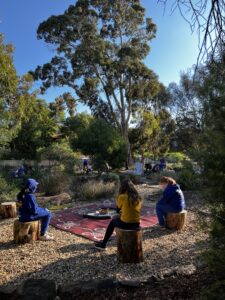
Primary school students develop an outdoor learning space.
- Thriving Learners is at no cost other than the investment of time and permission to gather data.
- An important component of the Thriving Learners initiative is data collection from educators, children (in most cases this will be via educators in a way that does not identify the child), and parents. The impact of Thriving Learners uses a range of observational and measurement tools informed by the Wellbeing and Engagement Census (WEC) and other evidence-based resources.
- Our Thriving Learners partnership is best suited to small groups (or single class) rather than year-level or school-wide programs. It is the intention that a resource or case study (using data) is developed so other staff, children and education sites can have access to approaches that enhance student wellbeing and learner agency for improved student learning outcomes through nature-based play, teaching and learning experiences.
- As part of developing a resource/case study we may ask that staff are interviewed or can provide testimonial on their observations or learning as a result of the support of Nature Play SA
If you would like to nominate your school for a Thriving Learners partnership for term 3, please fill out the information form below.
Nature Play SA Thriving Learners Expression of Interest Form
Thriving Learners FAQs
Who is Nature Play SA?
Nature Play SA is a not-for-profit organisation with a vision to engage and inspire the South Australian community to nurture their wellbeing and connection to nature through outdoor learning, adventure and play. Since our inception in 2014 we have worked in partnership with the Department for Education to build the capacity of educators to enrich their pedagogy through outdoor learning. In addition, we have worked across various school communities to address barriers to outdoor play, develop wellbeing programs, and provide access to resources that align with the Australian Curriculum and Early Years Framework.
What kind of projects does Thriving Learners support?
Our co-designed Thriving Learners program can support projects exploring:
- Time in Nature
- Student Voice and Agency
- Contributing to the Community
- Caring for the Environment
- Outdoor learning
- Managing Risk and Challenge
- Opportunities for Nature Play
- Nature and wellbeing
- Addressing challenges to outdoor learning
How long would the Thriving Learners program run for and how often?
Thriving Learners is intended to be held over 6-8 weeks. Depending on your school context and project needs, this may be held in a single term or spread across a semester. Longer or shorter projects will also be considered.
Who are your educators?
We have a diverse and highly skilled education team with experience teaching across all levels of schooling, from early years to high school. The core NPSA education staff facilitating Thriving Learners are qualified teachers with relevant clearances such as RRHAN-EC, first aid, and police clearances.
Will this program suit the diverse needs of my students (learning differences, disabilities)?
Absolutely. Thriving Learners is intended to be co-designed with learners and educators to complement your site’s context and needs. Thriving Learners uses Universal Design principles to ensure the program is accessible to all learners.
When do I need to get my EOI in by?
Expressions of Interest for 2025 need to be submitted by February 19th. Applicants will be contacted soon after to find out if their submission was successful.
If I miss out this term, will there be another opportunity?
We hope so. Subject to ongoing DfE funding, we will be offering Thriving Learner programs throughout 2025.
Is there any cost associated with Thriving Learners?
No. Thriving Learners is at no cost to schools other than the investment of time and permission to gather data.
External costs associated with the project (i.e. purchasing native plants for a garden project, bus costs to access an excursion site etc) are to be covered by the school.
My school is rural/remote, can we apply?
Absolutely. Thriving Learners is a statewide initiative. Regional or remote programs may require a differentiated schedule or program to achieve their outcomes, but all submissions will be considered regardless of location.
Is Thriving Learners only open to DfE sites?
Yes. Thriving Learners is a partnership between NPSA and the DfE to enhance student wellbeing and learner agency for improved student learning outcomes through nature-based play, teaching, and learning experiences.
Only DfE sites can be considered for this program.
I have questions not covered by the FAQ section, is there someone I can contact?
Yes. You are welcome to contact our NPSA education staff with any other questions you have about the Thriving Learners program.


