Transformative Co-Design at Hallett Cove South Primary School
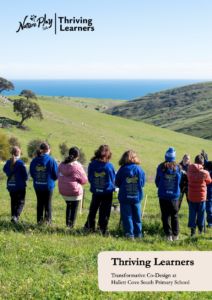 The year-long Thriving Learners program at Hallett Cove South Primary School transformed how Year 5 and 6 students engaged with their environment through student-led, co-designed projects. Four project teams explored ways to expand loose parts play, create sustainable animal habitats, green the schoolyard with native plants, and develop a bush tucker and edible plant garden.
Following a research and design phase, students visited community experts at The Forktree Project, using this experiential learning opportunity to transition from planning to action. Back at school, they applied their knowledge by reimagining a mud play space, planting native species, and constructing nest boxes from reclaimed materials for Rainbow Lorikeets and Micro-bats. The project culminated in exhibitions of learning, allowing students to showcase their work, connect with families, and position senior students as aspirational peers in the school community.
Transformative Co-Design at Hallett Cove South Primary SchoolPlanning Your Own Nature-Based Project
A helpful collection of resources and inspiration to support your nature play and outdoor learning project.
10 week Outdoor Classroom Transformation at Hallett Cove South
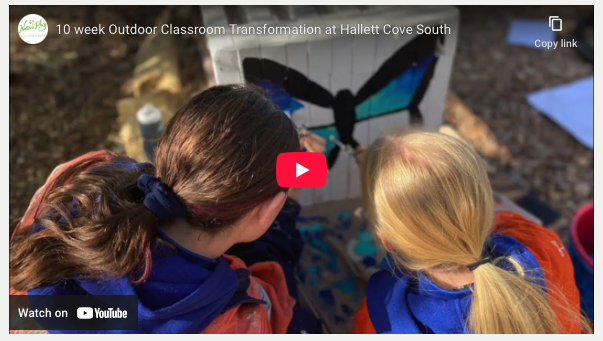
Conversations about rules and outdoor environments led students at Hallett Cove South Primary School to transform their play and learning spaces. Over several years, students became experts in play, risk, and place-making. Immersed in experiential learning, they became researchers; designers; and made meaningful real-world decisions with adults about every aspect of project management. The results were stunning. Not in terms of beauty, but functionality and impact.
Students breathed new life into barren, neglected spaces on a shoestring budget of a few thousand dollars, using mostly donated resources like logs and stone and some recycled “street treasure”.
Junior Primary Student Feedback: Day of Play with NPSA
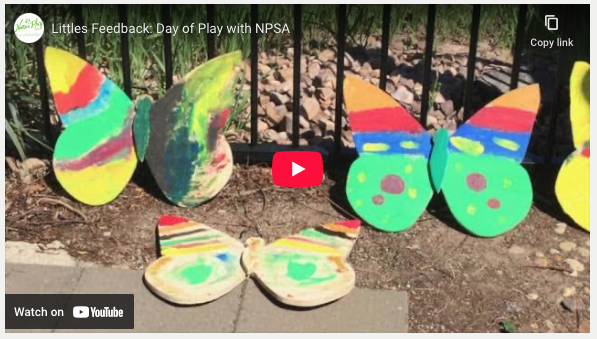
Junior primary students from Hallett Cove South Primary School describe the impact of a “Day of Play” outdoor learning event.
Project Reimaginate
Hallett Cove South Primary School students share their transformations of spaces inside and outside between 2019 and 2024. This student-designed website showcases the aggregation of marginal gains, the idea that many small changes can make a significant difference over time.
Project ReimaginateCommunity Connections
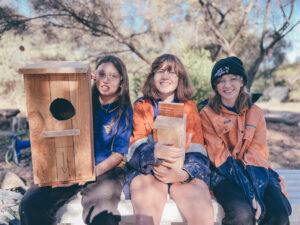 A feature of this Thriving Learners project was the connections made with local community groups:
- The Forktree Project
- FauNature Wildlife Boxes
- Birds In Backyards Nest Box Plans
Nature Nurture
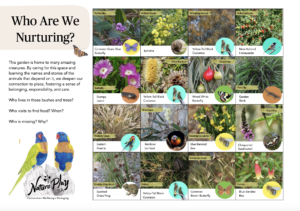
A Nature Play SA-designed native plant identification sheet, inspired by Green Adelaide resources, explores the symbiosis of native plants and the creatures they support.
Nature Nurture Audit ToolDocumenting Growth and Connection
Tools to help make nature play and outdoor learning visible.
Practitioner Guide to Assessing Connection to Nature
How can you assess connection to nature? Researchers and evaluators have developed numerous tools to measure connections to nature, including surveys, observational strategies, and interview guides.
Practitioner Guide to Assessing Connection to NatureAreas of Impact: Observational Story
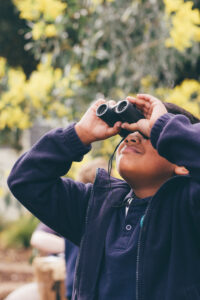 The Areas of Impact: Observational Story (Ob Story) aims to record how the Department for Education’s Areas of Impact (AOI) may be engaged in nature play settings. The AOI are four domains that support children to learn in holistic and supportive environments:
- Wellbeing
- Effective Learners
- Learner Agency
- Equity and Excellence
The Ob Story has been developed for use by Nature Play SA in their work with site schools and kindergartens. It is also designed for possible future use by teachers and educators, and teaching teams at kindergartens and primary schools. The tool invites education professionals to record an observation of nature play. The Ob Story asks for curriculum links, detailed observation, social play types, considers the child’s perspective, and encourages reflective practice from the observer. There are two versions of the Ob Story that align with the Australian frameworks and curriculums used in South Australian public education: The Australian Curriculum V.9, and the Early Years Learning Framework (EYLF) V2.0.
Areas of Impact: Observational Story for the Australian Curriculum Version 9
Areas of Impact: Observational Story for Early Years Learning Framework Version 2.0
Social play type:
Noting the type of play may reveal how certain types of social play within nature influence the AOI. Tick play types identified in the play observation.
- Solitary play: a child plays on their own, without interacting with others.
- Onlooker play: a child observes other children playing.
- Parallel play: children play side-by-side, without interacting with each other.
- Associative play: children play side-by-side, with interactions such as sharing resources and speaking to each other.
- Cooperative play: children engage in play together that has an agreed upon, or shared outcome.
Resources and Ideas to Support Your Journey
Resources to inspire and support your nature play and outdoor learning journey.
Why Sheets: The Benefits of Nature Play
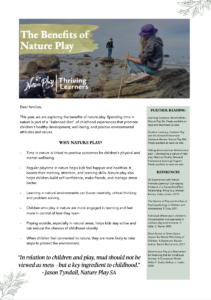 These Why Sheets, inspired by the work of Alfie Kohn, are research-supported documents designed for educators to share with families about the importance and benefits of nature play. We understand how busy educators are, so these information sheets have been created to help them easily communicate the value of nature play and outdoor learning.
The Why Sheets can be downloaded to support:
Outdoor Learning Framework
This framework will help you establish routines, boundaries and expectations in a fun and simple way.
Outdoor Lesson Framework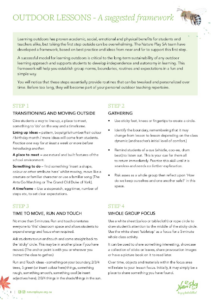
'Detective' ID Sheets

Green Adelaide offer a range of resources for teachers, information on gardens, samphires, native grass and more.
Learning Outdoors: Benefits and Risks
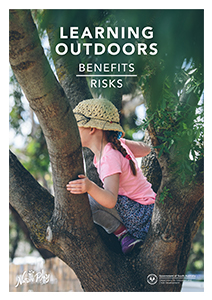 The nature-based outdoor learning environment offers a unique opportunity for educators to encourage the stretching process in children and help them realise their full potential. When outdoor learning environments are places that allow inspiration and creativity to take root, for curiosity and spontaneity to be realised and importantly, for risk and failures to be viewed as positive learning experiences, children will be the beneficiaries. This learning can help them develop the life skills and awareness they need to be confident, resilient and able-bodied adults who take responsibility for themselves and their actions.


